TECHNOLOGY HUB

Discover the solutions that enhance fleet performance, reduce emissions, and future-proof your operations. Njord’s Technology Hub brings together proven innovations for smarter, sustainable shipping.
Wind Assisted Propulsion System
WAPS utilizes the wind to generate additional propulsion for the ship. The three main types are Flettner rotors, Wing sails and Suction wings. A more in dept study is required to select the best type of WAPS for this vessel.
Variable Frequency Drives
Variable frequency drives enable capacity control of pumps and fans, instead of on/off operation. These drives operate autonomously by sensing the running parameters of the engine. and system load.
Trim Optimisation
Ensure the most optimum trim (vessel draught fore and aft) to reduce friction through the water.
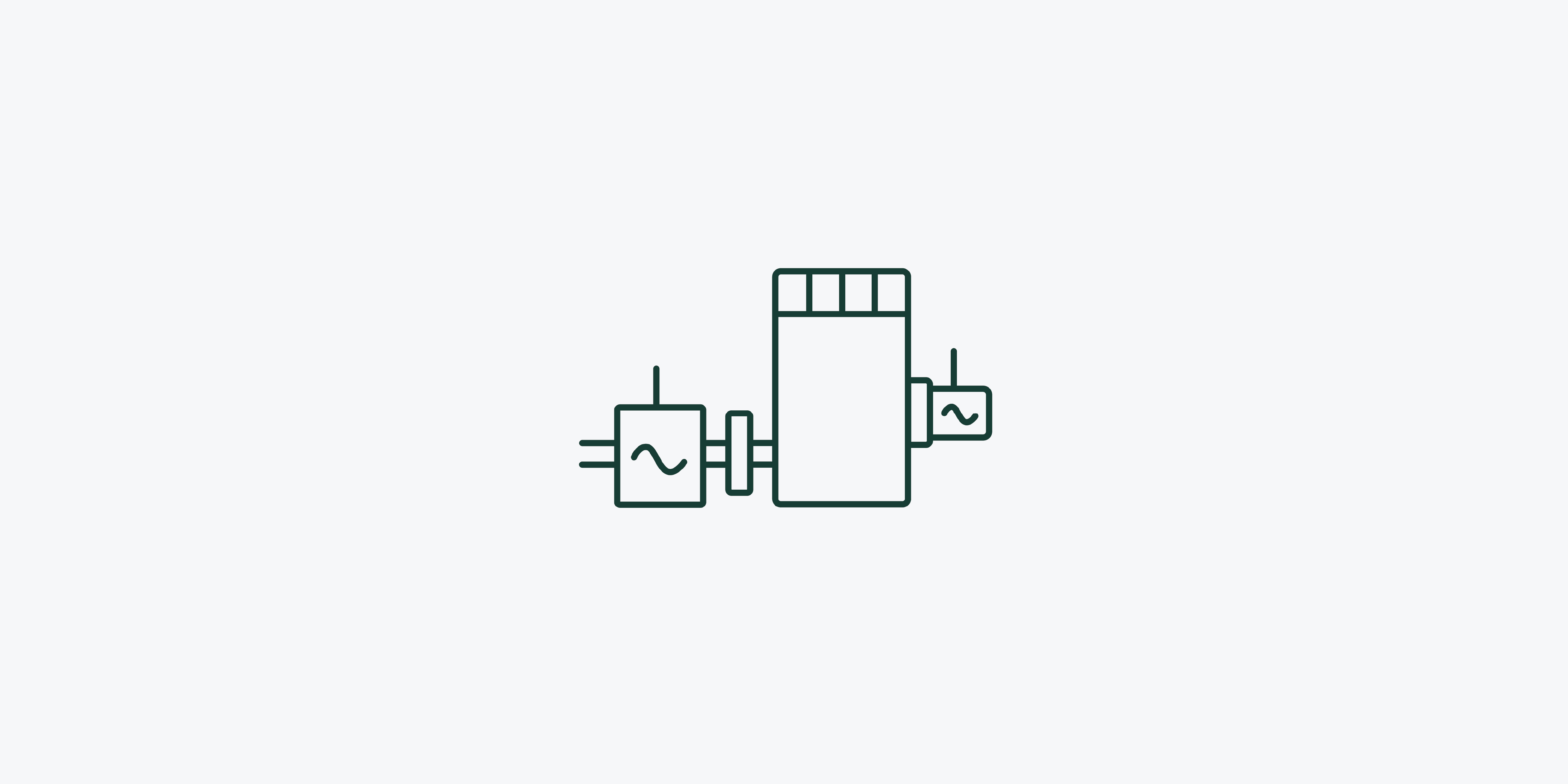
Shaft Generator
Shaft generators use the main engine’s rotation to produce electrical power, offering efficient energy generation through direct mechanical coupling - often using permanent magnet technology.
Screw Compressor
This is optimum of rotary compressor technology. The innovative direct drive offers better efficiency and performance than main air compressor. The speed of the rotors is optimised at a certain level to minimise mechanical losses and volumetric losses (air losses due to very low speed).
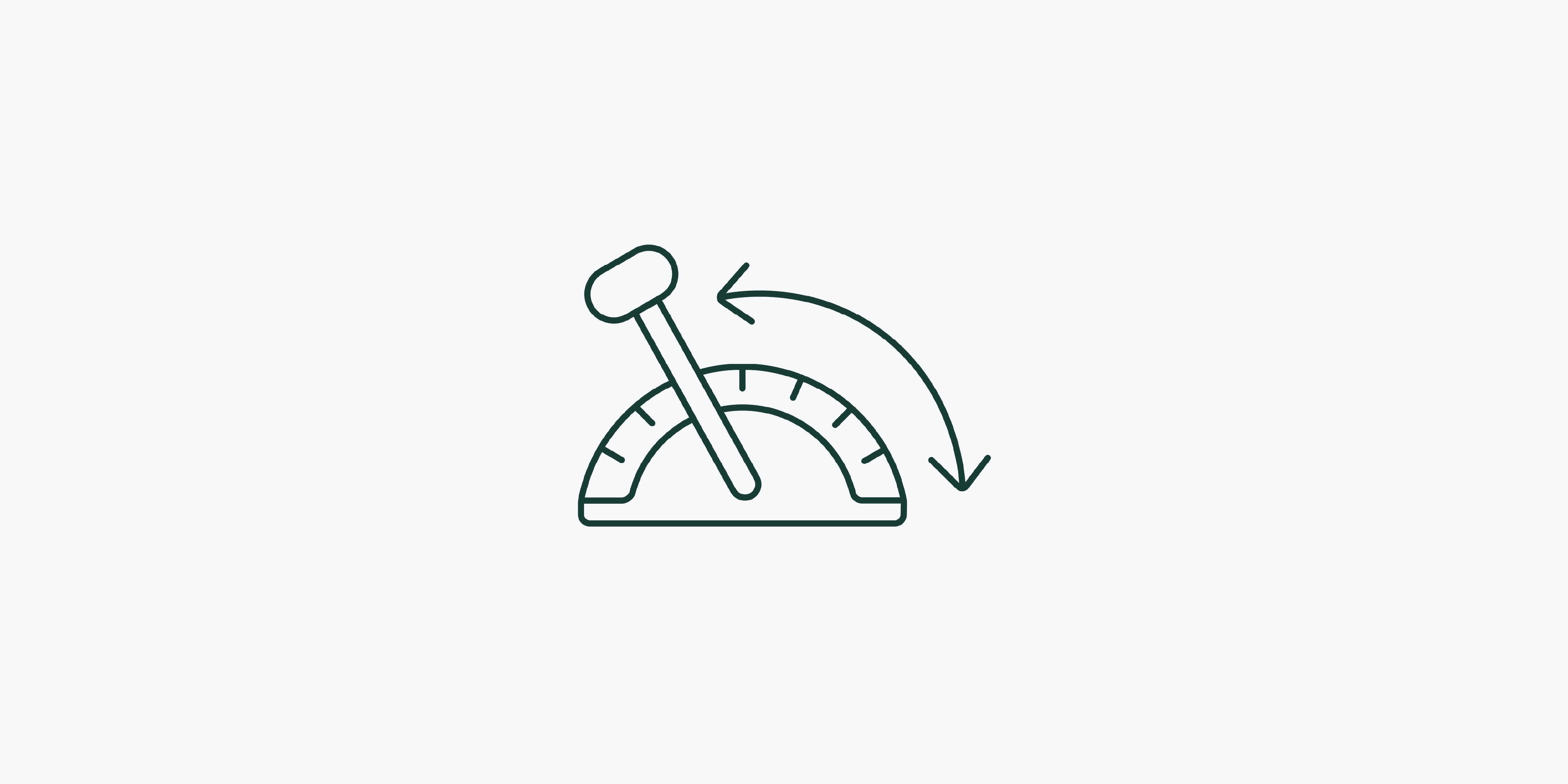
RPM & PITCH Optimization
RPM and Pitch Optimization systems adjust engine speed and propeller pitch in real time using optimized combinator curves. This helps maintain consistent power and speed throughout a voyage, improving fuel efficiency and overall propulsion performance.
Propeller Redesign
Propeller redesign involves modifying the existing design of a propeller to improve its performance, efficiency, and suitability for specific operational conditions.
Propeller Fouling Protection - Ultrasound for Propeller
Ultrasonic propeller antifouling system. This device emits ultrasonic waves through the shaft to prevent marine growth on the propeller blades. As it’s a preventive system, installation must begin with a clean propeller surface.
Propeller Fouling Protection - Silicone Coating
The Silicone based paint, help in keeping propeller surface light and free of fouling. This results in less drag, lowering the fuel consumption and CO2 emissions.
Propeller Fouling Protection - Hard Coating
A highly durable, graphene-based hard foul release propeller coating designed to enhance vessel performance by keeping the propeller smooth and free from biofouling.
Propeller Boss Cap Fin
Propeller Boss Cap Fin is a device attached to the propeller boss cap that breaks up the hub vortex generated behind the rotating propeller resulting in energy saving.
Premium Hull Coating- Silicone Coating
The Silicone based paint, help in keeping hull light and free of fouling. This results in less drag, lowering the fuel consumption and CO2 emissions.
Premium Hull Coating - Premium Antifouling Coating
The Premium antifouling paint is ultra-low friction and has an excellent hydrolysis property. It uses silyl methacrylate as a binder, which enables worldwide trading vessels.
Premium Hull Coating - Hard Coating
A graphene-based, biocide-free hard coating designed for commercial vessels. Its ultra-smooth, low-friction surface minimizes drag and inhibits biofouling by making it difficult for microorganisms to adhere, thereby enhancing vessel performance and fuel efficiency.
Main Engine Specific Fuel Oil Optimization
Variable exhaust valve timing in low-speed two-stroke marine engines improves efficiency at low loads by adjusting when the exhaust valve closes. This enhances combustion, reduces fuel use and emissions, and supports slow steaming, without modifying the camshaft.
Main Engine Operational Power Optimization
Main engine RPM is regulated via power feedback, enabling operation in either constant power or constant speed mode.
Main Engine Lube Oil Fine Filters
Filtering engine oil instead of purification in a separator saves on separator running costs and lube oil replenishing intervals and eases the operation.
LED
LED lights with low power consumption on AE have a longer running range and are a direct savings.
Flow Stream Duct
A pre-swirl hydrodynamic device to improve the flow into the propeller by creating a swirl in the opposite direction of the propeller’s rotation, the device helps to straighten the wake and reduce rotational losses.
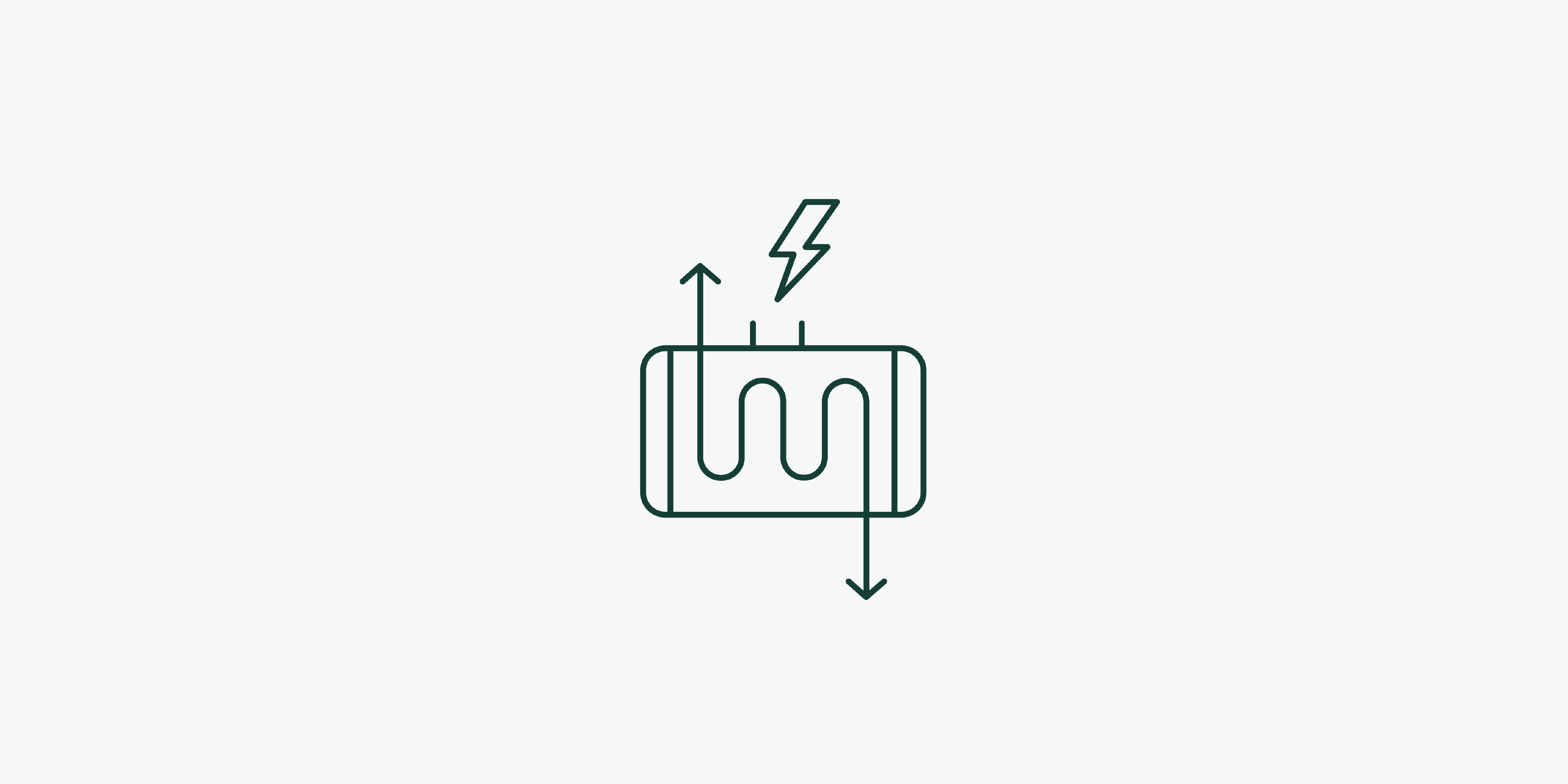
Electric Heater
Running a large boiler at low loads is inefficient and costly. An electric heater provides targeted heating with lower energy use, reduced maintenance, and simpler operation, making it a smarter choice for low-demand periods like port stays.
Data Auto-logging
Data Auto logging takes data from various engine parameters and navigational equipment; data analytics is employed to gain insights.
Carbon capture
Onboard Carbon Capture and Storage (OCCS) is a ship-based technology that captures carbon dioxide emissions directly from exhaust gases, stores the CO₂ onboard, and later offloads it for permanent storage or reuse.
Bow Modification
A well-designed Bulbous bow aligns with the vessel's operational speeds and drafts and reduces fuel consumption.
Auxiliary Engine Lube Oil Fine Filters
Filtering of engine oil instead of purification in a separator. This saves on separator running costs and lube oil replenishing intervals and eases the operation.
Auto Pilot Upgrade
Updated autopilot includes unique algorithms that ensure highly precise steering performance where it is needed, even at low speed
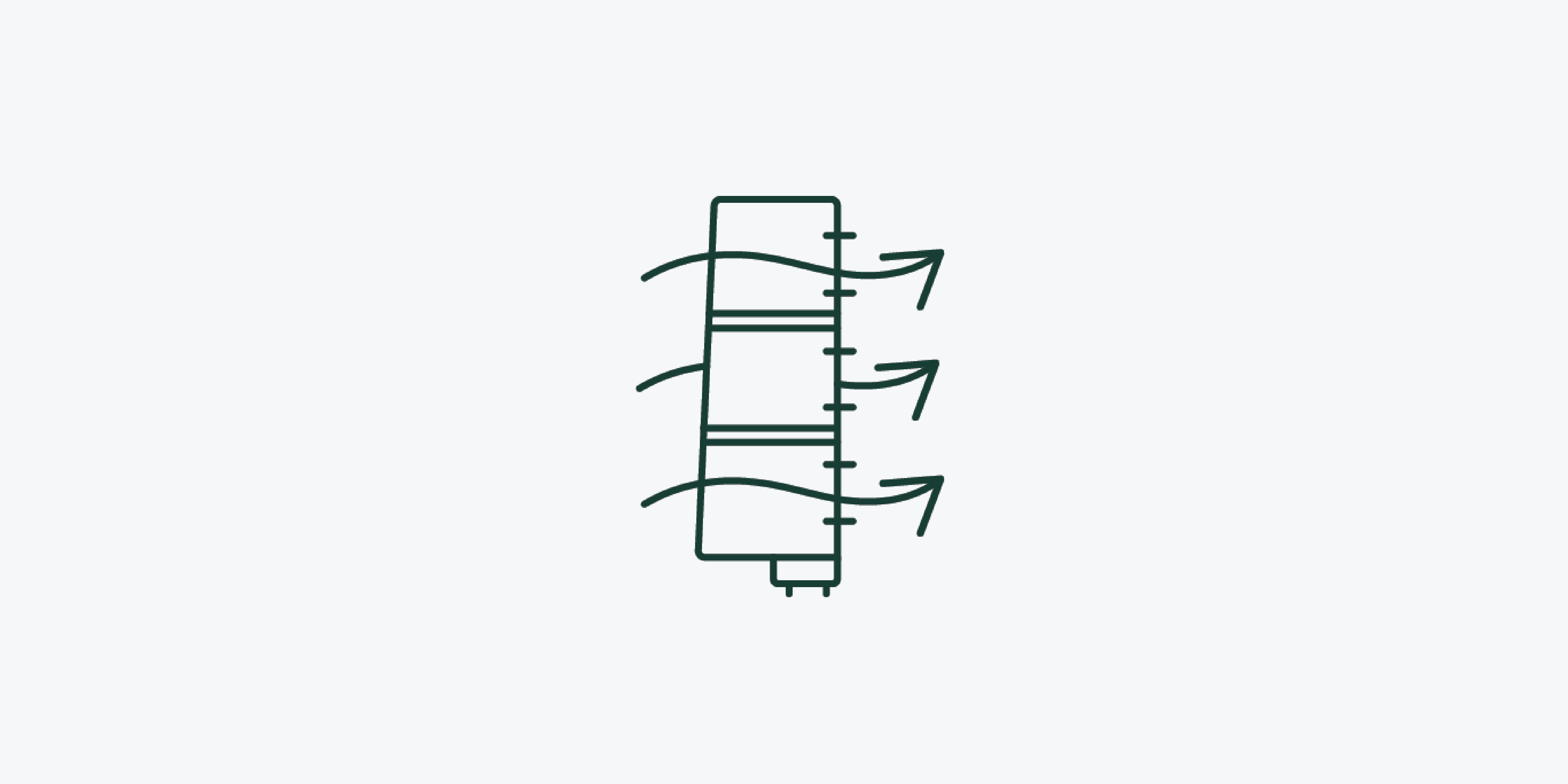
Air Lubrication System
This hull friction reduction technology utilizes the lower friction of air to water by partially covering the flat bottom surface with a carpet of microbubbles.
Data Auto-logging
Data Auto logging takes data from various engine parameters and navigational equipment; data analytics is employed to gain insights.
Trim Optimisation
Ensure the most optimum trim (vessel draught fore and aft) to reduce friction through the water.
RPM & PITCH Optimization
RPM and Pitch Optimization systems adjust engine speed and propeller pitch in real time using optimized combinator curves. This helps maintain consistent power and speed throughout a voyage, improving fuel efficiency and overall propulsion performance.
Premium Hull Coating- Silicone Coating
The Silicone based paint, help in keeping hull light and free of fouling. This results in less drag, lowering the fuel consumption and CO2 emissions.
Premium Hull Coating - Premium Antifouling Coating
The Premium antifouling paint is ultra-low friction and has an excellent hydrolysis property. It uses silyl methacrylate as a binder, which enables worldwide trading vessels.
Premium Hull Coating - Hard Coating
A graphene-based, biocide-free hard coating designed for commercial vessels. Its ultra-smooth, low-friction surface minimizes drag and inhibits biofouling by making it difficult for microorganisms to adhere, thereby enhancing vessel performance and fuel efficiency.
Main Engine Specific Fuel Oil Optimization
Variable exhaust valve timing in low-speed two-stroke marine engines improves efficiency at low loads by adjusting when the exhaust valve closes. This enhances combustion, reduces fuel use and emissions, and supports slow steaming, without modifying the camshaft.
Main Engine Operational Power Optimization
Main engine RPM is regulated via power feedback, enabling operation in either constant power or constant speed mode.
Flow Stream Duct
A pre-swirl hydrodynamic device to improve the flow into the propeller by creating a swirl in the opposite direction of the propeller’s rotation, the device helps to straighten the wake and reduce rotational losses.
Auto Pilot Upgrade
Updated autopilot includes unique algorithms that ensure highly precise steering performance where it is needed, even at low speed
Variable Frequency Drives
Variable frequency drives enable capacity control of pumps and fans, instead of on/off operation. These drives operate autonomously by sensing the running parameters of the engine. and system load.
Shaft Generator
Shaft generators use the main engine’s rotation to produce electrical power, offering efficient energy generation through direct mechanical coupling - often using permanent magnet technology.
Screw Compressor
This is optimum of rotary compressor technology. The innovative direct drive offers better efficiency and performance than main air compressor. The speed of the rotors is optimised at a certain level to minimise mechanical losses and volumetric losses (air losses due to very low speed).
Main Engine Lube Oil Fine Filters
Filtering engine oil instead of purification in a separator saves on separator running costs and lube oil replenishing intervals and eases the operation.
LED
LED lights with low power consumption on AE have a longer running range and are a direct savings.
Electric Heater
Running a large boiler at low loads is inefficient and costly. An electric heater provides targeted heating with lower energy use, reduced maintenance, and simpler operation, making it a smarter choice for low-demand periods like port stays.
Auxiliary Engine Lube Oil Fine Filters
Filtering of engine oil instead of purification in a separator. This saves on separator running costs and lube oil replenishing intervals and eases the operation.
Propeller Redesign
Propeller redesign involves modifying the existing design of a propeller to improve its performance, efficiency, and suitability for specific operational conditions.
Propeller Fouling Protection - Ultrasound for Propeller
Ultrasonic propeller antifouling system. This device emits ultrasonic waves through the shaft to prevent marine growth on the propeller blades. As it’s a preventive system, installation must begin with a clean propeller surface.
Propeller Fouling Protection - Silicone Coating
The Silicone based paint, help in keeping propeller surface light and free of fouling. This results in less drag, lowering the fuel consumption and CO2 emissions.
Propeller Fouling Protection - Hard Coating
A highly durable, graphene-based hard foul release propeller coating designed to enhance vessel performance by keeping the propeller smooth and free from biofouling.
Propeller Boss Cap Fin
Propeller Boss Cap Fin is a device attached to the propeller boss cap that breaks up the hub vortex generated behind the rotating propeller resulting in energy saving.
Bow Modification
A well-designed Bulbous bow aligns with the vessel's operational speeds and drafts and reduces fuel consumption.
Wind Assisted Propulsion System
WAPS utilizes the wind to generate additional propulsion for the ship. The three main types are Flettner rotors, Wing sails and Suction wings. A more in dept study is required to select the best type of WAPS for this vessel.
Carbon capture
Onboard Carbon Capture and Storage (OCCS) is a ship-based technology that captures carbon dioxide emissions directly from exhaust gases, stores the CO₂ onboard, and later offloads it for permanent storage or reuse.
Air Lubrication System
This hull friction reduction technology utilizes the lower friction of air to water by partially covering the flat bottom surface with a carpet of microbubbles.
Wind Assisted Propulsion System
WAPS utilizes the wind to generate additional propulsion for the ship. The three main types are Flettner rotors, Wing sails and Suction wings. A more in dept study is required to select the best type of WAPS for this vessel.
Variable Frequency Drives
Variable frequency drives enable capacity control of pumps and fans, instead of on/off operation. These drives operate autonomously by sensing the running parameters of the engine. and system load.
WATCH FAQ
Trim Optimisation
Ensure the most optimum trim (vessel draught fore and aft) to reduce friction through the water.
Shaft Generator
Shaft generators use the main engine’s rotation to produce electrical power, offering efficient energy generation through direct mechanical coupling - often using permanent magnet technology.
Screw Compressor
This is optimum of rotary compressor technology. The innovative direct drive offers better efficiency and performance than main air compressor. The speed of the rotors is optimised at a certain level to minimise mechanical losses and volumetric losses (air losses due to very low speed).
RPM & PITCH Optimization
RPM and Pitch Optimization systems adjust engine speed and propeller pitch in real time using optimized combinator curves. This helps maintain consistent power and speed throughout a voyage, improving fuel efficiency and overall propulsion performance.
Propeller Redesign
Propeller redesign involves modifying the existing design of a propeller to improve its performance, efficiency, and suitability for specific operational conditions.
Propeller Fouling Protection - Ultrasound for Propeller
Ultrasonic propeller antifouling system. This device emits ultrasonic waves through the shaft to prevent marine growth on the propeller blades. As it’s a preventive system, installation must begin with a clean propeller surface.
Propeller Fouling Protection - Silicone Coating
The Silicone based paint, help in keeping propeller surface light and free of fouling. This results in less drag, lowering the fuel consumption and CO2 emissions.
Propeller Fouling Protection - Hard Coating
A highly durable, graphene-based hard foul release propeller coating designed to enhance vessel performance by keeping the propeller smooth and free from biofouling.
Propeller Boss Cap Fin
Propeller Boss Cap Fin is a device attached to the propeller boss cap that breaks up the hub vortex generated behind the rotating propeller resulting in energy saving.
Premium Hull Coating- Silicone Coating
The Silicone based paint, help in keeping hull light and free of fouling. This results in less drag, lowering the fuel consumption and CO2 emissions.
Premium Hull Coating - Premium Antifouling Coating
The Premium antifouling paint is ultra-low friction and has an excellent hydrolysis property. It uses silyl methacrylate as a binder, which enables worldwide trading vessels.
Premium Hull Coating - Hard Coating
A graphene-based, biocide-free hard coating designed for commercial vessels. Its ultra-smooth, low-friction surface minimizes drag and inhibits biofouling by making it difficult for microorganisms to adhere, thereby enhancing vessel performance and fuel efficiency.
Main Engine Specific Fuel Oil Optimization
Variable exhaust valve timing in low-speed two-stroke marine engines improves efficiency at low loads by adjusting when the exhaust valve closes. This enhances combustion, reduces fuel use and emissions, and supports slow steaming, without modifying the camshaft.

Main Engine Operational Power Optimization
Main engine RPM is regulated via power feedback, enabling operation in either constant power or constant speed mode.
Main Engine Lube Oil Fine Filters
Filtering engine oil instead of purification in a separator saves on separator running costs and lube oil replenishing intervals and eases the operation.
WATCH FAQ
LED
LED lights with low power consumption on AE have a longer running range and are a direct savings.
Flow Stream Duct
A pre-swirl hydrodynamic device to improve the flow into the propeller by creating a swirl in the opposite direction of the propeller’s rotation, the device helps to straighten the wake and reduce rotational losses.
Electric Heater
Running a large boiler at low loads is inefficient and costly. An electric heater provides targeted heating with lower energy use, reduced maintenance, and simpler operation, making it a smarter choice for low-demand periods like port stays.
Data Auto-logging
Data Auto logging takes data from various engine parameters and navigational equipment; data analytics is employed to gain insights.
Carbon capture
Onboard Carbon Capture and Storage (OCCS) is a ship-based technology that captures carbon dioxide emissions directly from exhaust gases, stores the CO₂ onboard, and later offloads it for permanent storage or reuse.
Bow Modification
A well-designed Bulbous bow aligns with the vessel's operational speeds and drafts and reduces fuel consumption.
Auxiliary Engine Lube Oil Fine Filters
Filtering of engine oil instead of purification in a separator. This saves on separator running costs and lube oil replenishing intervals and eases the operation.
Auto Pilot Upgrade
Updated autopilot includes unique algorithms that ensure highly precise steering performance where it is needed, even at low speed
Air Lubrication System
This hull friction reduction technology utilizes the lower friction of air to water by partially covering the flat bottom surface with a carpet of microbubbles.
WATCH FAQ
Data Auto-logging
Data Auto logging takes data from various engine parameters and navigational equipment; data analytics is employed to gain insights.
Trim Optimisation
Ensure the most optimum trim (vessel draught fore and aft) to reduce friction through the water.
RPM & PITCH Optimization
RPM and Pitch Optimization systems adjust engine speed and propeller pitch in real time using optimized combinator curves. This helps maintain consistent power and speed throughout a voyage, improving fuel efficiency and overall propulsion performance.
Premium Hull Coating- Silicone Coating
The Silicone based paint, help in keeping hull light and free of fouling. This results in less drag, lowering the fuel consumption and CO2 emissions.
Premium Hull Coating - Premium Antifouling Coating
The Premium antifouling paint is ultra-low friction and has an excellent hydrolysis property. It uses silyl methacrylate as a binder, which enables worldwide trading vessels.
Premium Hull Coating - Hard Coating
A graphene-based, biocide-free hard coating designed for commercial vessels. Its ultra-smooth, low-friction surface minimizes drag and inhibits biofouling by making it difficult for microorganisms to adhere, thereby enhancing vessel performance and fuel efficiency.
Main Engine Specific Fuel Oil Optimization
Variable exhaust valve timing in low-speed two-stroke marine engines improves efficiency at low loads by adjusting when the exhaust valve closes. This enhances combustion, reduces fuel use and emissions, and supports slow steaming, without modifying the camshaft.
Main Engine Operational Power Optimization
Main engine RPM is regulated via power feedback, enabling operation in either constant power or constant speed mode.
Flow Stream Duct
A pre-swirl hydrodynamic device to improve the flow into the propeller by creating a swirl in the opposite direction of the propeller’s rotation, the device helps to straighten the wake and reduce rotational losses.
Auto Pilot Upgrade
Updated autopilot includes unique algorithms that ensure highly precise steering performance where it is needed, even at low speed
Variable Frequency Drives
Variable frequency drives enable capacity control of pumps and fans, instead of on/off operation. These drives operate autonomously by sensing the running parameters of the engine. and system load.
WATCH FAQ
Shaft Generator
Shaft generators use the main engine’s rotation to produce electrical power, offering efficient energy generation through direct mechanical coupling - often using permanent magnet technology.
Screw Compressor
This is optimum of rotary compressor technology. The innovative direct drive offers better efficiency and performance than main air compressor. The speed of the rotors is optimised at a certain level to minimise mechanical losses and volumetric losses (air losses due to very low speed).
Main Engine Lube Oil Fine Filters
Filtering engine oil instead of purification in a separator saves on separator running costs and lube oil replenishing intervals and eases the operation.
WATCH FAQ
LED
LED lights with low power consumption on AE have a longer running range and are a direct savings.
Electric Heater
Running a large boiler at low loads is inefficient and costly. An electric heater provides targeted heating with lower energy use, reduced maintenance, and simpler operation, making it a smarter choice for low-demand periods like port stays.
Auxiliary Engine Lube Oil Fine Filters
Filtering of engine oil instead of purification in a separator. This saves on separator running costs and lube oil replenishing intervals and eases the operation.
Propeller Redesign
Propeller redesign involves modifying the existing design of a propeller to improve its performance, efficiency, and suitability for specific operational conditions.
Propeller Fouling Protection - Ultrasound for Propeller
Ultrasonic propeller antifouling system. This device emits ultrasonic waves through the shaft to prevent marine growth on the propeller blades. As it’s a preventive system, installation must begin with a clean propeller surface.
Propeller Fouling Protection - Silicone Coating
The Silicone based paint, help in keeping propeller surface light and free of fouling. This results in less drag, lowering the fuel consumption and CO2 emissions.
Propeller Fouling Protection - Hard Coating
A highly durable, graphene-based hard foul release propeller coating designed to enhance vessel performance by keeping the propeller smooth and free from biofouling.
Propeller Boss Cap Fin
Propeller Boss Cap Fin is a device attached to the propeller boss cap that breaks up the hub vortex generated behind the rotating propeller resulting in energy saving.
Bow Modification
A well-designed Bulbous bow aligns with the vessel's operational speeds and drafts and reduces fuel consumption.
Wind Assisted Propulsion System
WAPS utilizes the wind to generate additional propulsion for the ship. The three main types are Flettner rotors, Wing sails and Suction wings. A more in dept study is required to select the best type of WAPS for this vessel.
Carbon capture
Onboard Carbon Capture and Storage (OCCS) is a ship-based technology that captures carbon dioxide emissions directly from exhaust gases, stores the CO₂ onboard, and later offloads it for permanent storage or reuse.
Air Lubrication System
This hull friction reduction technology utilizes the lower friction of air to water by partially covering the flat bottom surface with a carpet of microbubbles.
WATCH FAQ